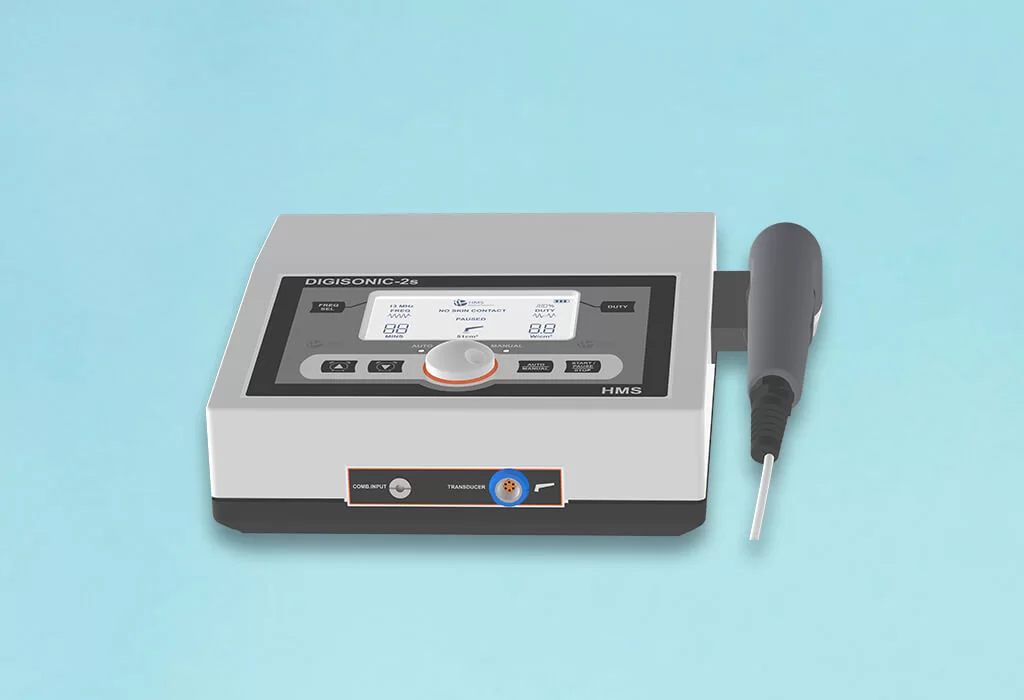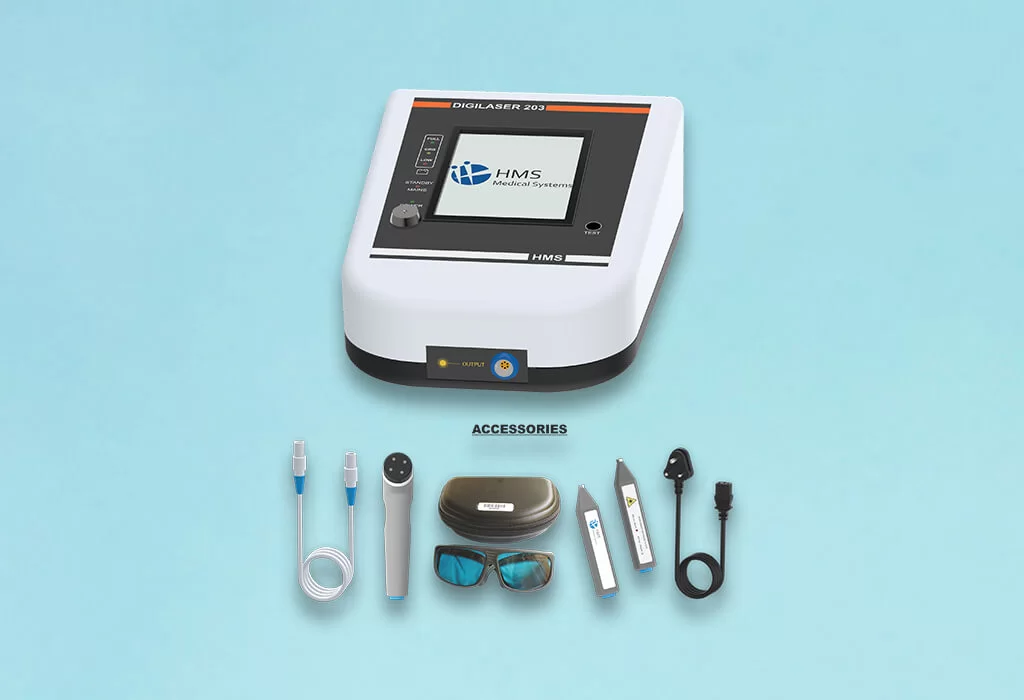
Physiotherapy is built around clinical judgement. Every patient presents with a different combination of symptoms, limitations, functional goals, and responses to treatment. This makes individualised care essential. At the same time, modern physiotherapy increasingly relies on technology to support treatment delivery. Whether a clinician is using electrotherapy, ultrasound therapy, laser therapy, traction equipment, or other rehabilitation technologies, the ability to control treatment parameters consistently can be valuable in day-to-day clinical practice.
This is where precision and repeatability in modern physiotherapy equipment become important.Precision helps clinicians control treatment variables according to the intended protocol, while repeatability allows similar settings to be reproduced when appropriate. Together, they can contribute to a more structured and consistent approach to technology-assisted rehabilitation.
Table of Contents
What Does Precision Mean in Physiotherapy Equipment?
Precision refers to the ability of equipment to deliver or display treatment settings accurately and in a controlled manner. Depending on the modality, these settings may include variables such as:
- Treatment intensity
- Duration
- Frequency
- Pulse characteristics
- Output levels
- Treatment modes
- Body positioning
- Timing of treatment cycles
The relevance of each parameter differs according to the modality and clinical objective. The important point is that the equipment should allow clinicians to select and manage the parameters that are relevant to the treatment being delivered.
For example, research examining electrotherapy interventions has highlighted the importance of treatment parameters when evaluating how electrical currents are used for particular therapeutic objectives.
Why Repeatability Matters in Clinical Practice?
Repeatability means being able to reproduce a treatment setup or set of equipment parameters when clinically appropriate. This can be useful when a patient receives multiple treatment sessions as part of a rehabilitation programme.
If a clinician determines that a particular set of parameters is appropriate, equipment that allows those settings to be selected consistently can simplify subsequent sessions. However, repeatability should not be confused with using identical settings for every session. Physiotherapy remains patient-centred, and treatment may need to change according to symptoms, tolerance, progress, and clinical assessment.
The objective is not to automate clinical decision-making. It is to give the clinician better control over the technology being used.
Precision Supports Consistent Treatment Delivery
Consistency is particularly valuable in busy physiotherapy environments. When equipment provides clear controls and predictable operation, clinicians can spend less time dealing with uncertainty around device settings and more time interacting with the patient.
This can support:
- More structured treatment delivery
- Easier adjustment of treatment parameters
- Better communication between clinicians
- More consistent use of established treatment protocols
- Efficient session preparation
- Improved workflow in busy clinics
Clinical decision-making remains central. A study examining physiotherapists’ use of electrophysical agents found that factors such as previous experience and research evidence influenced treatment decisions, highlighting that equipment is only one part of a broader clinical decision-making process.
Precision Is Not the Same as Better Treatment
An important distinction needs to be made between precise equipment and effective treatment. A device may provide highly controlled settings, but that does not automatically mean that every patient will achieve better outcomes. Treatment effectiveness depends on multiple factors, including:
- Appropriate patient assessment
- Clinical reasoning
- Correct modality selection
- Treatment parameters
- Patient response
- Therapist expertise
- Exercise and rehabilitation planning
- Patient adherence
Technology should therefore be viewed as a tool that supports clinical expertise rather than replacing it. The best physiotherapy equipment gives clinicians appropriate control while allowing them to make the final treatment decisions.
How Precision Improves the Patient Experience?
Patients may not notice the technical specifications of a physiotherapy device, but they can experience the benefits of a well-organised treatment process. Clear controls, predictable operation, comfortable equipment, and efficient treatment setup can contribute to a smoother clinical experience.
For patients receiving multiple sessions, consistency can also make the treatment process easier to understand. Clinicians can explain what is being done, why it is being done, and how treatment may be adjusted as rehabilitation progresses. This strengthens communication between the physiotherapist and patient.
Precision Across Different Physiotherapy Modalities
The importance of precision varies depending on the type of physiotherapy equipment being used.

- Electrotherapy Equipment – Electrotherapy devices often involve multiple treatment variables, making clear controls and accurate parameter selection particularly important.
- Ultrasound Therapy Equipment – Ultrasound therapy requires clinicians to consider factors such as frequency, intensity, treatment duration, and application technique according to the clinical objective.
- Traction Equipment – With traction systems, controlled operation and appropriate patient positioning are important considerations. Equipment design should allow the clinician to make adjustments in a practical and controlled manner.
- Laser Therapy Equipment – Laser therapy systems may involve specific treatment parameters that need to be selected according to the intended application and device protocol.
- Diathermy Equipment – Shortwave and longwave diathermy systems also require appropriate control of treatment settings and careful clinical application.
Across all these modalities, technology is most valuable when it provides clinicians with appropriate control without unnecessarily complicating the treatment process.
Repeatability Can Improve Clinical Workflow
Repeatability has another important advantage: workflow efficiency. In a busy clinic, physiotherapists may treat several patients in a day using the same equipment. Clear controls and consistent device operation can make treatment setup more efficient. This is especially relevant for clinics where multiple physiotherapists use the same equipment.
Standardised equipment operation can make it easier for different clinicians to understand the device and maintain consistent procedures, provided that treatment decisions remain based on individual patient assessment.
Equipment Design Matters as Much as Technical Specifications
When purchasing advanced physiotherapy equipment, clinicians should not evaluate technical specifications in isolation. The usability of the device matters too. A system with sophisticated functionality may be less useful if the controls are difficult to understand or the treatment workflow is unnecessarily complicated. When evaluating equipment, consider:
- Are the controls intuitive?
- Can treatment settings be adjusted easily?
- Is the display clear?
- Can clinicians understand the selected parameters?
- Is the equipment comfortable for patients?
- Can the device be integrated into the clinic’s existing workflow?
- Is technical support available when required?
Good equipment design should make clinical work easier rather than create additional complexity.
Quality and Reliability Support Repeatable Performance
Precision and repeatability depend not only on the interface but also on the underlying quality of the equipment. Manufacturing quality, component consistency, testing, calibration processes, maintenance, and servicing can all influence how reliably a device performs over time.
This is one reason quality management is an important consideration when selecting medical equipment. ISO 13485:2016 establishes quality management requirements specifically for medical device organisations and addresses processes designed to support consistent products, risk management, regulatory requirements, and product safety.
For healthcare providers, evaluating the manufacturer’s quality systems can therefore be just as important as reviewing the equipment’s feature list.
The Future of Precision in Physiotherapy
As physiotherapy technology continues to evolve, precision and repeatability are likely to remain important considerations. Future equipment may offer increasingly intuitive controls, greater treatment customisation, improved monitoring, and better integration into clinical workflows. But the fundamental principle will remain the same: technology should support the physiotherapist’s clinical reasoning.
The goal is not to make every treatment identical. The goal is to make the delivery of technology-assisted treatment controlled, understandable, and adaptable to individual patient needs.
Technology That Supports Clinical Expertise
Precision and repeatability are valuable characteristics of modern physiotherapy equipment, but they should always work alongside clinical expertise rather than independently of it.
For more than three decades, HMS Medical Systems has focused on developing and supplying physiotherapy and electrotherapy equipment for healthcare professionals, clinics, hospitals, and rehabilitation centres. With a commitment to quality and practical clinical requirements, HMS Medical Systems offers equipment designed to provide reliable performance and controlled treatment delivery.
As physiotherapy continues to evolve, the combination of skilled clinicians and dependable technology will remain essential to delivering structured, patient-focused rehabilitation.