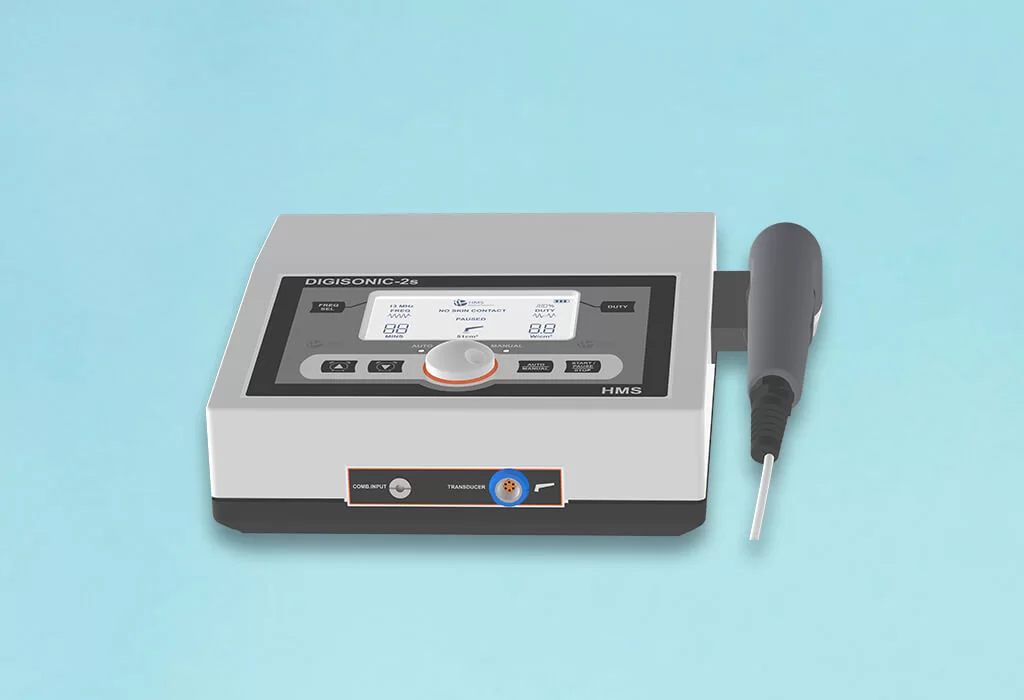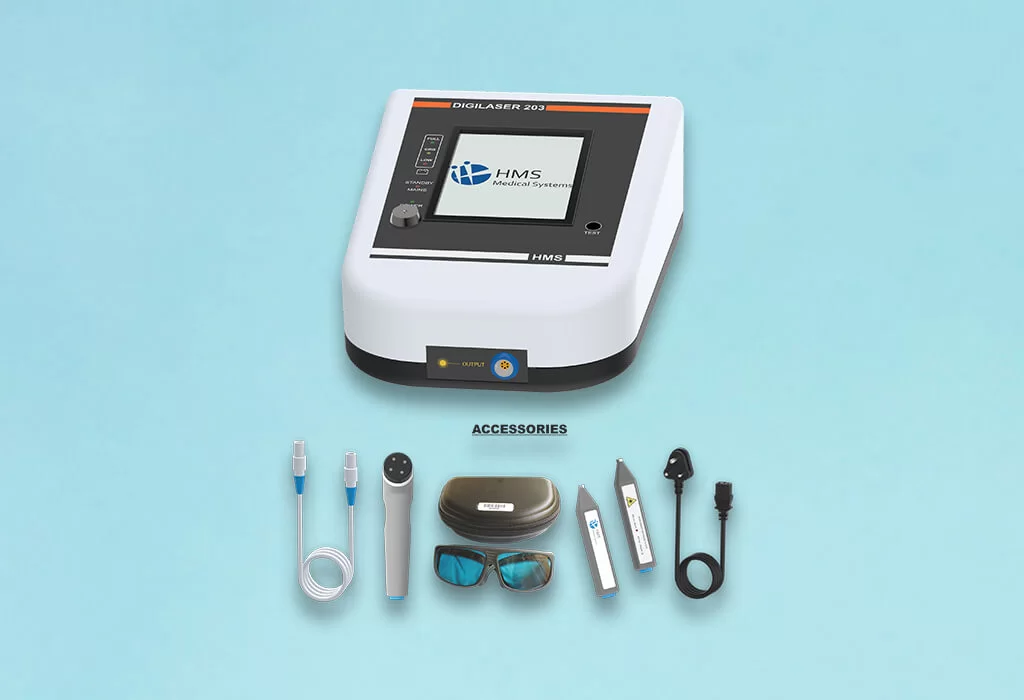
Ultrasound therapy is an established physiotherapy modality used by healthcare professionals as part of rehabilitation and pain management programs. By delivering high-frequency sound waves into targeted tissues, therapeutic ultrasound can provide thermal and non-thermal effects that may support tissue flexibility, circulation, pain management, and the rehabilitation process.
For physiotherapists, doctors, hospitals, rehabilitation centres, and healthcare units, having reliable ultrasound therapy equipment can be an important part of building a well-equipped physiotherapy and rehabilitation department. Modern ultrasound therapy machines are designed to provide controlled treatment parameters, ease of operation, and consistent performance across a range of clinical applications.
From tendon and muscle injuries to joint-related conditions and sports injuries, ultrasound therapy can be incorporated into comprehensive treatment plans based on the patient’s condition, clinical assessment, and treatment goals.
Table of Contents
Understanding Ultrasound Therapy in Physiotherapy
Ultrasound therapy uses high-frequency acoustic waves to deliver energy into targeted body tissues. Depending on the treatment parameters and clinical objective, ultrasound can produce thermal and non-thermal effects.
The thermal effect can help increase tissue temperature and may support tissue extensibility, relaxation, and local circulation. Non-thermal effects are associated with mechanical effects within tissues and may be considered as part of certain rehabilitation approaches.
Ultrasound therapy is generally used as one component of physiotherapy rather than as a standalone treatment. Physiotherapists may combine it with therapeutic exercises, stretching, manual therapy, mobility work, strengthening, and other rehabilitation techniques according to the patient’s needs.
This versatility makes ultrasound therapy equipment a useful addition to physiotherapy clinics, hospitals, orthopaedic centres, sports rehabilitation facilities, and other healthcare settings.
1. Tendinitis and Tendon Injuries
Tendon-related conditions are frequently encountered in physiotherapy. Repetitive movements, overuse, sports activities, occupational demands, and injuries can contribute to tendon pain and functional limitations.
Common examples include:
- Achilles tendon conditions
- Rotator cuff-related tendon pain
- Patellar tendon conditions
- Tennis elbow
- Golfer’s elbow
Patients may experience pain during movement, stiffness, tenderness, and reduced functional ability. Depending on the condition and stage of rehabilitation, physiotherapists may incorporate ultrasound therapy into a broader treatment program.
Therapeutic ultrasound can be used to deliver controlled energy to the treatment area and may help prepare tissues for subsequent rehabilitation techniques. Its thermal effects can also support tissue extensibility, which may be useful when combined with appropriate stretching and mobility exercises.
For clinics treating a high volume of musculoskeletal and sports-related conditions, a reliable ultrasound therapy machine can provide flexibility in designing treatment protocols for different patients.
2. Muscle Strains and Soft Tissue Injuries
Muscle strains can occur when muscle fibres are overstretched or subjected to excessive force. They are particularly common among athletes, physically active individuals, and people involved in repetitive or physically demanding work.
Common areas affected by muscle strains include:
- Hamstrings
- Quadriceps
- Calf muscles
- Shoulder muscles
- Lower back muscles
Pain, tenderness, stiffness, and restricted movement can make normal activities difficult. Physiotherapy treatment may include rest and activity modification where appropriate, followed by progressive mobility, strengthening, and functional rehabilitation.
Ultrasound therapy may be incorporated into the rehabilitation program to provide therapeutic effects to the affected soft tissues. Depending on the treatment stage and clinical objective, physiotherapists can select suitable treatment parameters and combine ultrasound with other rehabilitation methods.
For physiotherapy departments managing sports and musculoskeletal injuries, ultrasound therapy equipment can therefore serve as a practical modality alongside exercise and manual treatment techniques.
3. Frozen Shoulder and Shoulder Stiffness
Frozen shoulder, clinically known as adhesive capsulitis, is associated with pain and significant restriction in shoulder movement. Patients may find everyday activities such as reaching overhead, dressing, or placing objects on shelves increasingly difficult.
Physiotherapy commonly focuses on pain management and gradually restoring shoulder mobility through appropriate exercises and mobilization techniques.
Ultrasound therapy may be used as an adjunct to these interventions. Therapeutic heating can help improve the extensibility of tissues in appropriate clinical situations, potentially making subsequent stretching and mobility exercises more comfortable.
For physiotherapists, the value of ultrasound therapy is not simply the machine itself but its integration into a structured rehabilitation program. A dependable ultrasound therapy unit can provide clinicians with another treatment option when managing patients with painful or restricted movement.
4. Osteoarthritis and Joint-Related Pain
Osteoarthritis is a common musculoskeletal condition affecting joints such as the knees, hips, hands, and other areas. Symptoms can include pain, stiffness, reduced mobility, and difficulty performing everyday activities.
Although ultrasound therapy does not reverse the structural changes associated with osteoarthritis, physiotherapists may use therapeutic modalities as part of a broader approach to symptom management and functional rehabilitation.
Depending on the patient’s presentation and clinical assessment, ultrasound therapy may be used alongside:
- Therapeutic exercise
- Joint mobility exercises
- Strengthening programs
- Manual therapy
- Functional training
- Patient education
The objective is to help patients improve movement and function while managing symptoms.
For hospitals and physiotherapy clinics that treat a large number of musculoskeletal patients, ultrasound therapy equipment can complement other rehabilitation technologies and provide clinicians with greater flexibility in treatment planning.
5. Ligament Sprains and Sports Injuries
Ligament sprains are among the most common injuries seen in sports and physiotherapy settings. They can occur when a joint is suddenly twisted, overstretched, or subjected to an excessive force.
Common examples include:

- Ankle sprains
- Knee ligament injuries
- Wrist sprains
- Shoulder ligament injuries
Depending on the injury and stage of recovery, rehabilitation may involve pain management, mobility exercises, progressive strengthening, balance training, and functional activities.
Ultrasound therapy may be incorporated into selected rehabilitation programs as an adjunctive modality. It can provide targeted therapeutic energy to the treatment area and may be useful alongside other physiotherapy interventions.
For sports rehabilitation centres and physiotherapy practices, having dependable ultrasound therapy equipment can support a broader range of treatment options for patients recovering from soft tissue and musculoskeletal injuries.
Other Clinical Applications of Ultrasound Therapy
The use of therapeutic ultrasound extends beyond these five conditions. Depending on clinical assessment and treatment protocols, physiotherapists may also consider ultrasound therapy as part of rehabilitation programs for conditions such as:
- Bursitis
- Plantar fasciitis
- Soft tissue injuries
- Scar tissue management
- Selected neck and back pain conditions
- Joint stiffness
- Rehabilitation following certain procedures
The suitability of ultrasound therapy depends on the patient’s condition, treatment stage, contraindications, and the clinician’s assessment. It should therefore be selected and administered by appropriately trained healthcare professionals.
Why Ultrasound Therapy Equipment Is Valuable for Physiotherapy Practices
For a physiotherapy clinic or hospital, investing in therapeutic equipment is about more than adding another modality to the treatment room. Equipment needs to be practical for everyday clinical use, reliable, easy to operate, and appropriate for the range of patients being treated.
When evaluating ultrasound therapy equipment, healthcare providers should consider:
Service and Technical Support – After-sales service, maintenance, and technical support are important considerations when purchasing medical and physiotherapy equipment for professional use.
Treatment Parameters – The machine should provide appropriate frequency, intensity, and treatment-time controls to support different clinical requirements.
Ease of Operation – Clear controls and an intuitive interface can help physiotherapists operate the equipment efficiently during busy clinical schedules.
Treatment Head and Applicator Design – The applicator should be practical for treating different anatomical areas and comfortable to handle during clinical procedures.
Output Consistency – Reliable equipment should provide consistent output according to the selected treatment parameters, supporting predictable clinical operation.
Build Quality – Physiotherapy equipment is used repeatedly every day. A robust design is therefore important for clinics, hospitals, and rehabilitation centres looking for long-term value.
Service and Technical Support – After-sales service, maintenance, and technical support are important considerations when purchasing medical and physiotherapy equipment for professional use.
Choosing Ultrasound Therapy Equipment for a Clinic or Hospital
The right equipment should be selected based on the clinical requirements of the facility.
A physiotherapy clinic treating common musculoskeletal conditions may prioritise ease of use, treatment flexibility, and compact design. A hospital or rehabilitation centre may place greater emphasis on equipment durability, workflow efficiency, service support, and integration with a wider range of physiotherapy modalities.
Before purchasing an ultrasound therapy machine, healthcare providers should evaluate:
- The types of patients and conditions commonly treated
- Required treatment frequencies and parameters
- User interface and operating controls
- Applicator design and usability
- Equipment durability
- Electrical and safety considerations
- Warranty and after-sales support
- Availability of technical service
- Manufacturer experience and reputation
A well-selected ultrasound therapy machine can become a practical part of a physiotherapy department’s daily treatment workflow.
Why Choose HMS Medical Systems for Ultrasound Therapy Machine?
For healthcare professionals, selecting a medical equipment manufacturer with experience in physiotherapy and rehabilitation technology is an important purchasing consideration.
HMS Medical Systems has been involved in the manufacture and supply of physiotherapy and electrotherapy equipment since 1994. Its product range is designed to support healthcare professionals across physiotherapy clinics, hospitals, rehabilitation centres, and other clinical environments.
The company’s ultrasound therapy machines are developed with the needs of professional users in mind, offering practical treatment functionality for physiotherapy and rehabilitation applications.
For healthcare facilities looking to equip or upgrade their physiotherapy department, working with an experienced manufacturer can provide access to a broader range of rehabilitation equipment along with product guidance and technical support.