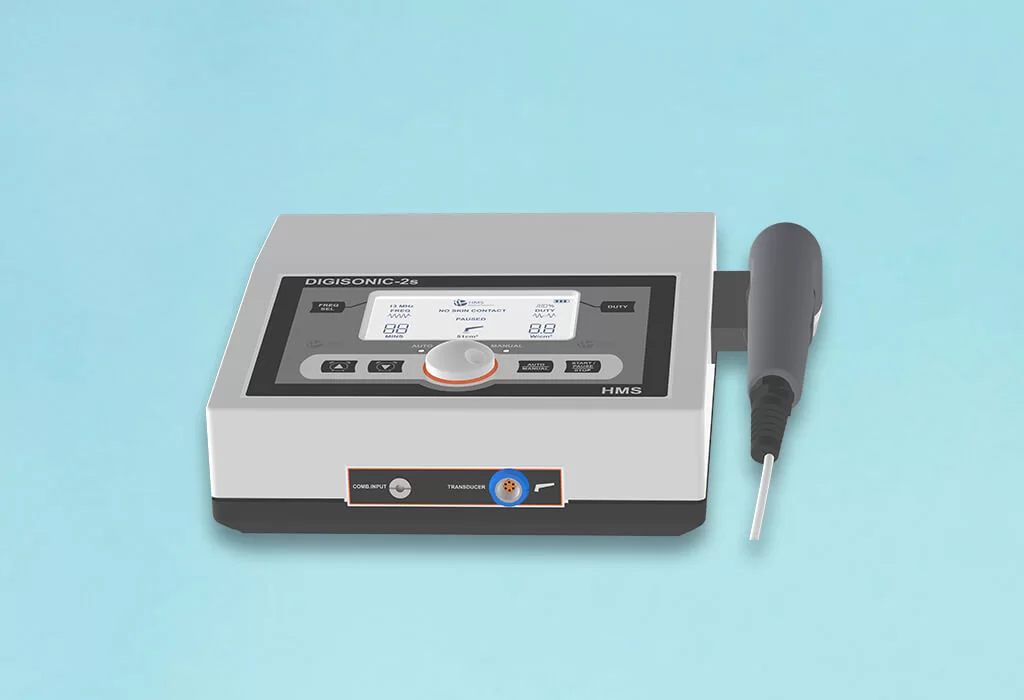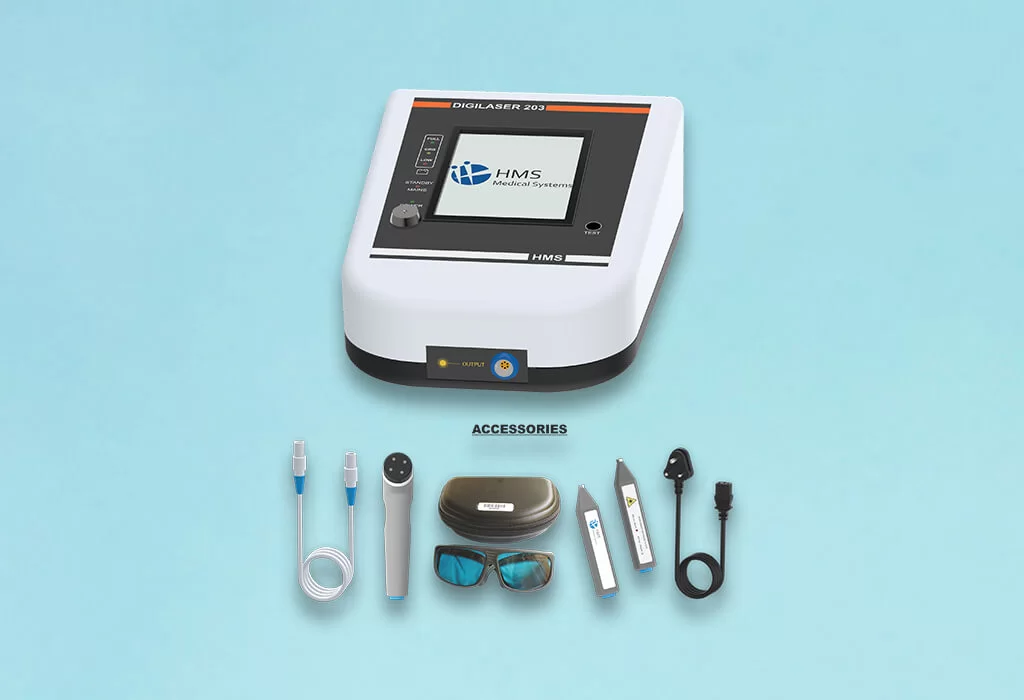
Physiotherapy plays a crucial role in restoring movement, relieving pain, and improving overall quality of life for individuals recovering from injuries, surgeries, and long-term physical conditions. While the expertise and clinical judgement of physiotherapists are central to successful treatment, the quality of physiotherapy equipment used during therapy is just as significant. The right equipment does more than assist exercises. It shapes the effectiveness, safety, and comfort of every rehabilitation session.
High-quality physiotherapy equipment enhances treatment precision, reduces physical strain, and allows for better control over therapy intensity. This not only supports safer recovery but also enables patients to progress with greater confidence and consistency. In contrast, poorly designed or unreliable equipment can limit outcomes, slow progress, and increase the risk of discomfort or reinjury.
Table of Contents
In modern clinical environments, physiotherapy equipment is no longer just a supporting tool. It has become a core component of patient care. From pain management to functional rehabilitation, the right equipment directly influences therapy outcomes, patient trust, and long-term recovery success. Choosing dependable, well-engineered physiotherapy equipment can make a measurable difference in how quickly and safely patients return to their everyday lives.
The Role of Physiotherapy Equipment in Rehabilitation
Physiotherapy equipment is designed to assist movement, reduce pain, restore function and improve mobility. From pain management devices to rehabilitation and exercise equipment, each tool serves a specific therapeutic purpose.

High-quality equipment ensures consistent performance, precise control and predictable outcomes. This allows physiotherapists to deliver treatment plans accurately, helping patients progress steadily through different stages of recovery without unnecessary setbacks.
Improving Treatment Accuracy and Control
One of the biggest advantages of high-quality physiotherapy equipment is improved treatment accuracy. Advanced medical equipment allows therapists to control intensity, duration and range of movement with precision. This is especially important during early recovery phases, where incorrect intensity or movement can delay healing or cause discomfort.
Accurate equipment supports customised therapy sessions based on the patient’s condition, age and recovery goals. This level of control helps achieve better results while reducing the risk of strain or injury.
Enhancing Patient Safety During Therapy
Patient safety is a top priority in physiotherapy. Poor-quality or outdated equipment can increase the risk of improper movement, inconsistent output or mechanical failure. High-quality physiotherapy equipment is built with safety features that protect both patients and therapists.
Stable structures, smooth movement mechanisms and reliable performance reduce the risk of falls, sudden strain or overexertion. This is particularly important for elderly patients, post-surgical recovery cases and individuals with limited mobility.
Supporting Faster Recovery Through Consistency
Consistency is key to effective rehabilitation. High-quality physiotherapy equipment delivers consistent performance session after session. This reliability ensures that patients receive the same therapeutic benefits each time, allowing steady progress without interruptions.
When therapy sessions are consistent, the body adapts better to treatment. Muscles strengthen gradually, joints regain mobility and pain reduces over time. This structured approach supports faster and more sustainable recovery.
Improving Patient Comfort and Confidence
Recovery is not just physical. It also involves mental and emotional confidence. Comfortable, well-designed physiotherapy equipment helps patients feel secure and relaxed during therapy sessions. When patients trust the equipment and feel supported, they are more likely to participate actively in their treatment.
High-quality equipment reduces unnecessary discomfort, allowing patients to focus on movement and progress rather than fear or pain. This confidence plays a crucial role in long-term rehabilitation success.
Supporting Physiotherapists in Delivering Better Care
Physiotherapists rely on equipment to implement their treatment plans effectively. High-quality physiotherapy equipment supports therapists by reducing manual strain, improving workflow and enhancing treatment efficiency.
When equipment functions smoothly and predictably, therapists can focus more on patient care rather than adjusting or compensating for equipment limitations. This improves overall treatment quality and patient satisfaction.
Long-Term Value for Clinics and Hospitals
Investing in high-quality physiotherapy equipment offers long-term benefits for healthcare facilities. Durable equipment reduces maintenance issues, downtime and replacement costs. It also enhances the professional image of clinics and hospitals, building trust among patients.
Reliable equipment contributes to better outcomes, positive patient experiences and stronger referrals. Over time, this supports both clinical excellence and business sustainability.
Why Medical Equipment Quality Should Never Be Compromised
Physiotherapy outcomes depend on a combination of skilled professionals, structured treatment plans and dependable equipment. Compromising on equipment quality can affect patient safety, delay recovery and reduce treatment effectiveness.
High-quality physiotherapy equipment ensures that therapy sessions are safe, controlled and results-driven. It supports both short-term recovery goals and long-term rehabilitation success.
Building Better Recovery with the Right Equipment
Effective rehabilitation is not just about movement. It is about restoring confidence, rebuilding strength and helping patients return to their daily lives safely and comfortably. High-quality physiotherapy equipment plays a crucial role in making this possible by offering accuracy, stability, and consistency throughout the recovery journey.
When clinics and hospitals invest in reliable equipment, they are investing in better patient outcomes. From reduced risk of complications to faster progress and improved comfort, the right tools empower both therapists and patients to achieve meaningful, long-lasting results.
HMS Medical Systems understands the evolving needs of modern physiotherapy practices. With a strong focus on quality, safety, and clinical performance, HMS Medical Systems designs and manufactures physiotherapy equipment that supports effective treatment, patient comfort and professional efficiency. By combining innovation with reliability, HMS Medical Systems continues to help healthcare providers deliver safer, faster and more confident recovery experiences for patients across different stages of rehabilitation.