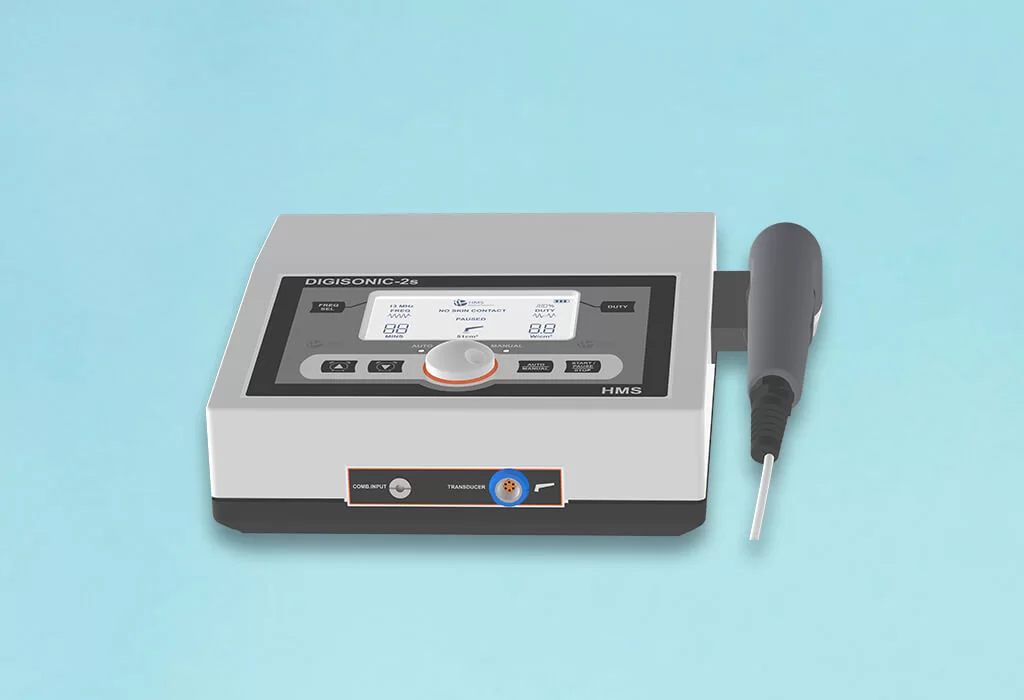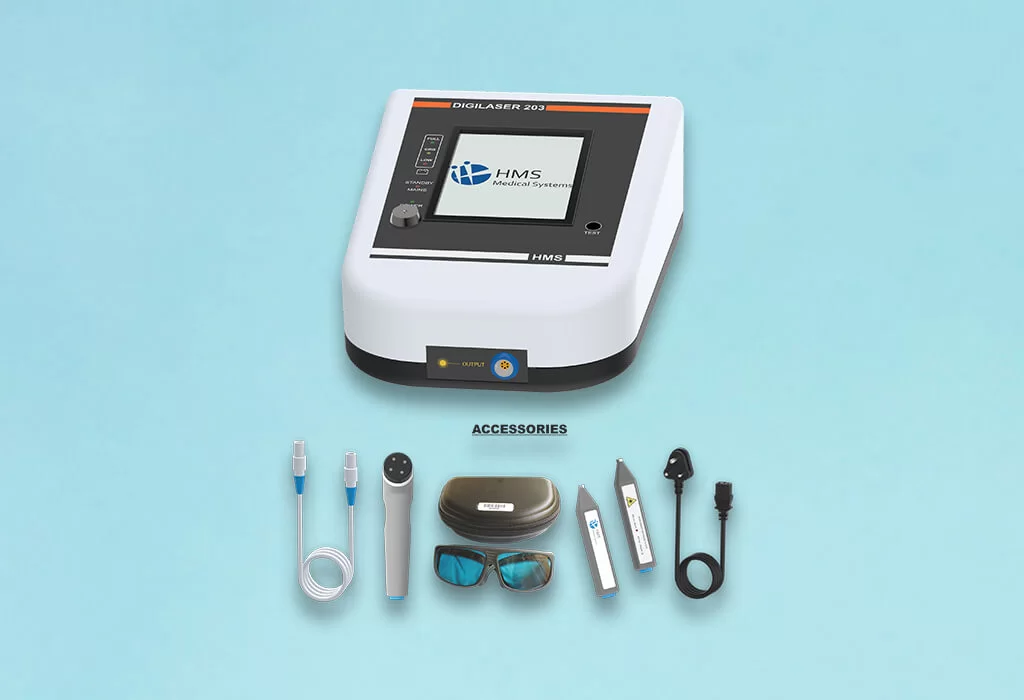
Physiotherapy equipment plays a crucial role in delivering effective treatment and ensuring patient safety. From electrotherapy machines to rehabilitation devices, every piece of equipment in a clinic or hospital must function accurately and consistently. However, without proper maintenance, even high-quality equipment can lose efficiency over time. Regular care not only extends the lifespan of physiotherapy equipment but also helps maintain treatment outcomes and reduces unexpected repair costs.
Maintaining physiotherapy equipment does not have to be complicated. With the right approach and routine practices, clinics and healthcare facilities can keep their devices in excellent working condition for years.
Table of Contents
Regular Cleaning and Hygiene
Daily cleaning is one of the most important aspects of equipment maintenance. Physiotherapy machines often come in direct contact with patients, making hygiene a top priority. Surfaces, electrodes, probes, and accessories should be cleaned after every use using recommended cleaning solutions.

Dust accumulation can also affect the internal components of machines. Keeping equipment clean prevents contamination and ensures smooth performance. Always follow manufacturer guidelines while cleaning to avoid damage.
Routine Inspection and Preventive Checks
Frequent inspection helps identify minor issues before they become major problems. Check cables, connectors, switches, and displays regularly for signs of wear and tear. Loose connections or damaged wires can affect performance and pose safety risks.
Creating a weekly or monthly inspection routine ensures that all equipment is functioning correctly. Preventive maintenance reduces downtime and helps avoid costly repairs.
Proper Usage and Handling
Incorrect usage is one of the leading causes of equipment damage. Ensure that all staff members are trained to operate physiotherapy equipment properly. Following the correct settings, usage duration, and handling methods is essential.
Avoid overloading machines or using them continuously beyond recommended limits. Proper handling not only protects the equipment but also ensures consistent treatment results.
Calibration and Servicing
Many physiotherapy machines, especially electrotherapy equipment, require periodic calibration to maintain accuracy. Regular servicing by qualified technicians ensures that the equipment performs as intended.
Scheduled servicing helps in identifying internal issues that may not be visible during routine inspections. Keeping a maintenance record for each device can help track servicing history and future requirements.
Safe Storage Practices
When equipment is not in use, it should be stored in a clean, dry, and safe environment. Exposure to moisture, heat, or dust can damage sensitive components.
Organising cables properly and avoiding clutter helps prevent accidental damage. Proper storage also improves the overall lifespan of the equipment and keeps the clinic environment organised.
Timely Replacement of Accessories
Accessories such as electrodes, pads, and cables tend to wear out faster than the main equipment. Using worn-out accessories can reduce treatment effectiveness and may even cause discomfort to patients.
Regularly replacing these components ensures optimal performance and maintains treatment quality.
Follow Manufacturer Guidelines
Every piece of physiotherapy equipment comes with specific maintenance instructions provided by the manufacturer. Following these guidelines is essential for safe and efficient operation.
Using recommended spare parts and avoiding unauthorised repairs can prevent long-term damage and ensure warranty compliance.
Ensuring Long Term Performance of Physiotherapy Equipment
Maintaining physiotherapy equipment is not just about extending its lifespan. It is about ensuring patient safety, delivering accurate treatment, and maintaining the reputation of your clinic or healthcare facility. A well-maintained setup reflects professionalism and builds trust among patients.
Partnering with a reliable and experienced manufacturer also makes a significant difference. HMS Medical Systems has been delivering high-quality physiotherapy and electrotherapy equipment designed for durability and performance. With the right equipment and proper maintenance practices, clinics and hospitals can ensure consistent results and long-term value.